Ventilation and Humidity Control: Preventing Mold Without Wasting Energy
Indoor mold often appears where moisture lingers and air does not move much. Bathrooms, basements, laundry areas, and window frames are common trouble spots, especially where warm indoor air meets cooler surfaces. Mold can grow on walls, ceilings, window trims, and behind furniture placed close to exterior walls. Understanding how humidity builds up and how air circulates inside a home can help people make targeted changes that limit mold without relying on constant heating or leaving windows open for long periods.
Background: How Moisture Builds Up Indoors
Everyday activities introduce moisture into the air. Shower steam, boiling water, indoor drying racks, and even normal breathing all add humidity. If this moisture is not removed or diluted, it can settle on cooler surfaces as condensation. Over time, these damp areas can support mold, particularly in corners, around cold bridges, and in spaces that are hard to clean.
Examples include:
- Steam that lingers on tiles and mirrors after a shower
- Water droplets on window panes and frames in colder weather
- Damp patches on exterior walls behind wardrobes or shelves
Older bathrooms without exhaust fans and kitchens without effective range hoods often trap more moisture. Newer, well insulated buildings reduce drafts and heat loss, which is useful for energy use, but the same airtight construction can allow humidity and indoor pollutants to build up if there is no planned route for air to leave and fresh air to enter.
Layered Approaches to Humidity and Mold Control
Managing humidity tends to work best when households use several small measures together rather than relying on a single fix.
1. Reduce moisture at the source
Reducing how much moisture enters the air is the first step. Helpful habits may include:
- Covering pots while cooking and turning down the heat once water boils
- Keeping bathroom doors closed during showers and opening them after steam has been removed
- Venting clothes dryers outdoors rather than into the living space
- Avoiding indoor drying of laundry in small, poorly ventilated rooms when other options exist
These adjustments can lower peaks in humidity and reduce how often condensation appears.
2. Improve air movement in damp rooms
Air that is allowed to move carries moisture away from surfaces more effectively. Options can include:
- Installing or using bathroom exhaust fans during showers and for several minutes afterward
- Using kitchen range hoods that vent outside when cooking, especially when frying or boiling
- Making sure vents and grilles are not blocked by furniture, curtains, or stored items
In homes without built in fans, portable fans positioned to move humid air toward open windows can offer partial improvement, particularly during and immediately after moisture producing activities.
3. Use ventilation deliberately
Opening windows in a planned way can refresh indoor air without wasting unnecessary energy. Short, focused periods of ventilation are often more effective than leaving a window slightly open all day. For example:
- Opening windows on opposite sides of the home for a brief cross breeze
- Ventilating rooms directly after showers or cooking sessions
- Choosing times of day when outdoor conditions are less humid or more comfortable
In some buildings, trickle vents or purpose designed ventilation in window frames provide a low level of continuous airflow that supports background moisture control.
4. Add dehumidification where needed
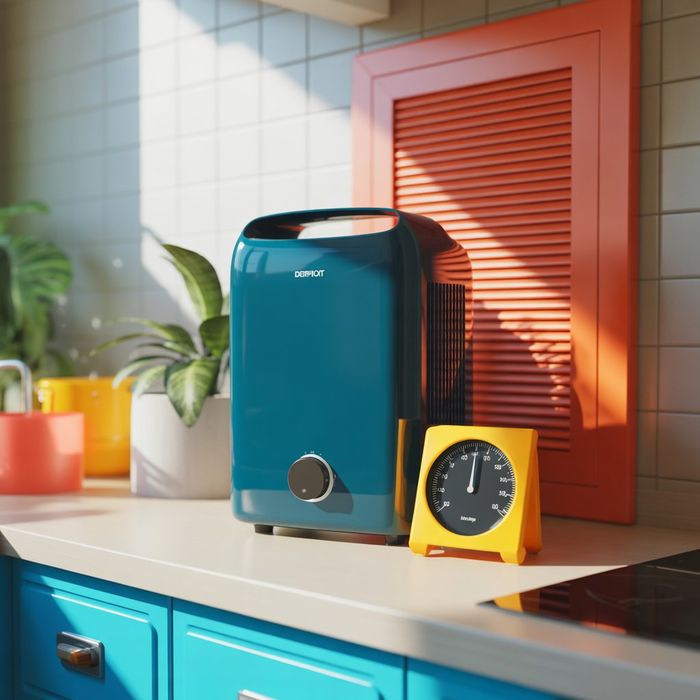
In some climates or building types, certain areas remain damp even when basic ventilation is used. Basements, partially underground rooms, and ground floor spaces over uninsulated slabs can be examples. In those cases, dehumidifiers may help:
- Portable units can be placed in the dampest rooms and set to maintain a target humidity range
- Some models collect water in a container, while others can be connected to a drain for continuous use
Dehumidifiers usually work best as a complement to good ventilation and leak control, not as a substitute.
Tools and Modern Solutions
Manufacturers and builders are increasingly incorporating humidity and ventilation features into home equipment.
- Energy efficient fans are designed to move sufficient air while using less electricity than older models. Many include timers or humidity sensors so they run only as long as needed.
- Heat recovery ventilators and similar balanced systems bring in outdoor air while exhausting indoor air through a heat exchange core. In colder climates, this allows some of the heat from outgoing air to warm incoming air, which can reduce the energy cost of ventilation. In warmer regions, related systems can be configured to limit heat gain when fresh air is introduced.
- Humidity monitoring tools such as small digital hygrometers and combined temperature humidity sensors are now widely available. Placed in bathrooms, basements, and near windows, they can show when humidity remains high after daily activities and help households see whether changes in habits or equipment are working. Some smart thermostats and whole home systems display similar data.
These tools give occupants more information and control without requiring constant manual checks.
Professional Insights
Building science specialists often describe moisture management as a layered system that combines source control, ventilation, and building improvements.
They usually highlight the following points:
- Start by reducing moisture where it is created and removing it quickly afterward
- Use exhaust fans and controlled openings rather than relying on random drafts
- Consider dehumidifiers where certain areas remain damp despite reasonable ventilation
- Address building details such as insulation on cold surfaces, sealing around window frames, and managing rainwater and ground moisture outside the structure
Experts also stress that energy efficiency and mold prevention can support each other when systems are planned carefully. A reasonably airtight home with targeted exhaust fans and, where appropriate, a balanced ventilation system can maintain indoor humidity at healthier levels without constant window opening. When stains, musty smells, or health concerns reappear despite basic steps, many professionals recommend consulting a qualified contractor or indoor air specialist who can review the entire building rather than treating a single room in isolation.
Summary
Preventing mold indoors usually depends on understanding how air, moisture, and energy interact in a particular home. Reducing moisture at its source, improving air movement in damp spaces, and using ventilation and dehumidification thoughtfully can work together to limit areas where mold tends to grow. At the same time, modern fans, sensors, and ventilation equipment can be selected and operated in ways that respect energy use. By observing patterns of condensation and humidity and adjusting how air moves through their spaces, households can make small, informed changes that support both comfort and the long term health of the building.
Reviewed by InfoStreamHub Editorial Team - November 2025