Small Space Planning For Better Storage And Smarter Layouts
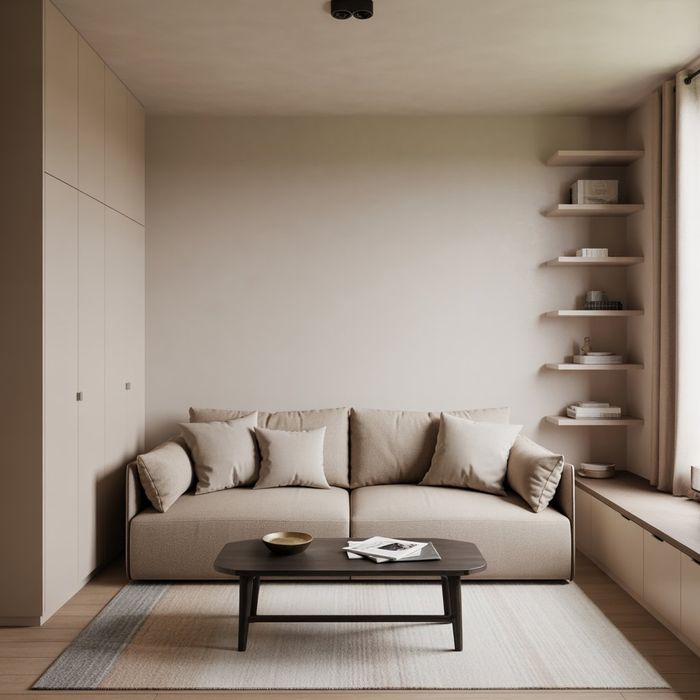
Small homes and studio apartments often require furniture, storage systems, and daily routines to perform multiple roles. When every surface has to support cooking, working, relaxing, or sleeping, planning becomes an essential part of making the space feel calm rather than crowded. This guide outlines how storage choices, decluttering habits, and careful layout adjustments can help small rooms feel more open and functional.
Background
Many small space strategies begin by using vertical height instead of floor area. Wall mounted shelves, tall bookcases, and modular cubes draw storage upward, reducing clutter at eye level. Under bed drawers, lift up frames, and storage ottomans create compartments that stay hidden until needed. Even simple additions like door hooks or closet organizers can turn overlooked areas into useful storage.
Decluttering supports these systems by reducing the total number of items that must be managed. People often find it helpful to keep only what they use regularly or what adds meaningful value. Donation centers, resale platforms, and local swap groups make it easier to pass along items responsibly. In compact homes, removing even a few unused belongings can noticeably change how roomy a space feels.
Layout planning connects storage and decluttering by shaping how people move through a room. Placing larger furniture against walls or in corners can free up central pathways. Compact sofas, nesting tables, and foldable dining pieces adjust to different activities without permanently consuming floor space. Maintaining clear sight lines, especially toward windows, can make a room appear larger and more open.
Current Trends
One prominent trend in compact living is the rise of multi purpose furniture. Sofa beds, wall beds, and extendable dining tables allow a single room to shift between working, relaxing, and sleeping. Storage benches and lift top coffee tables combine seating with hidden compartments. Scandinavian and Japanese retailers often feature furniture designed specifically for small homes, including foldaway desks and compact shelving units.
Built in and modular storage is also gaining popularity. Adjustable shelving tracks, custom closet inserts, and slim cabinets can be reconfigured as needs evolve. Some residents add window seat storage, floor to ceiling shelving, or narrow cabinets for hallways and alcoves. While these solutions require more planning, they can maximize tight or awkward areas where standard furniture does not fit.
Zoning within open plan small spaces is another emerging approach. Instead of treating a studio as one large room, residents create subtle boundaries using rugs, shelving, or screens. A low shelf, for example, can separate a sleeping area from a living area without blocking light. Lighting also helps define zones, with task lamps or wall sconces marking workspaces or reading areas.
Digital tools now influence decision making as well. Layout apps, augmented reality previews, and 3D product views allow people to test configurations before purchasing furniture. Online examples of micro apartments and tiny homes provide inspiration, demonstrating techniques like loft beds or rail systems with hanging storage. These visuals can spark ideas even if the exact solutions need to be adapted for local building layouts.
Expert Notes
Interior designers frequently stress the importance of measurements and prioritizing essential activities. Knowing the exact width of corners, door swings, and window placements reduces the risk of buying items that feel cramped once installed. Experts often recommend grouping belongings into a few categories and assigning each category a dedicated zone, which can reduce clutter drift over time.
Organizing specialists highlight visual clarity. Transparent bins, labeled boxes, and open shelves make it easier to see what belongs where. Combining open storage for frequently used items with closed cabinets for everything else can produce a balance between practicality and a clean, uncluttered feel. They also note that a consistent color palette or matching storage containers can help small rooms appear more cohesive.
Summary
Effective small space planning relies on strong storage systems, regular decluttering, and thoughtful layouts. Vertical shelving, hidden compartments, and multi function furniture help belongings fit neatly into compact rooms. Clear zoning and simple routines make spaces easier to maintain while supporting day to day activities. With more tools and ideas available than ever, residents can tailor even the smallest homes into comfortable, efficient environments that reflect their needs and style.
Reviewed by InfoStreamHub Editorial Team - December 2025