Safe Food Storage Guide: Fridge, Freezer, and Pantry Timelines
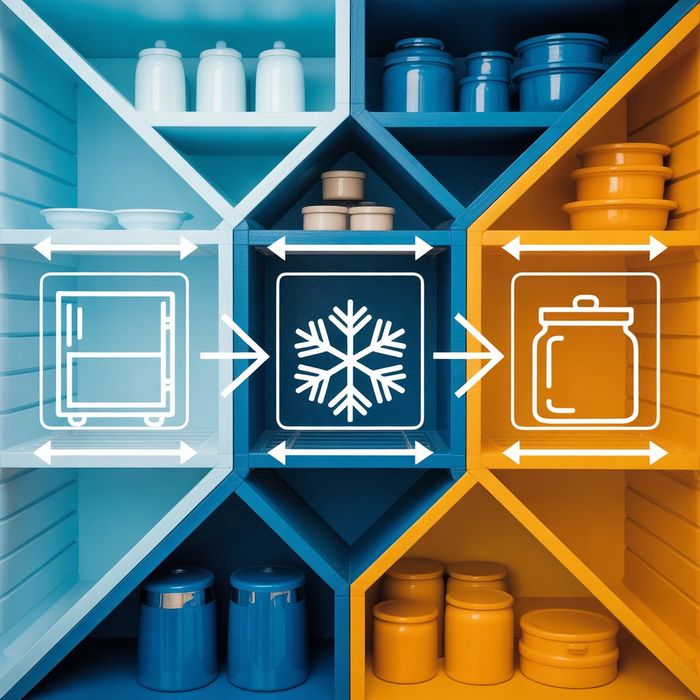
Safe food storage is partly about the calendar and partly about how food is handled from the moment it comes home. Different ingredients spoil at different speeds, and factors such as temperature, packaging, and exposure to air all influence how long they stay safe and pleasant to eat. Public health agencies in many countries publish storage timelines for common foods, but these are general references rather than guarantees. Using them alongside basic checks for smell, appearance, and texture can help households reduce waste and lower the chance of foodborne illness.
Background: Why Storage Conditions Matter
Most food safety guidance is based on how quickly bacteria grow at various temperatures:
- Perishable items such as meat, fish, dairy, and cooked dishes are more sensitive and usually need refrigeration.
- Shelf stable foods like canned goods, dry grains, and many baking ingredients can stay safe for much longer when kept cool, dry, and protected from pests.
- Freezing slows down biological activity so that food remains safe for extended periods, although quality can still decline over time.
Guidelines from organizations such as food safety authorities and health departments typically:
- Provide approximate timelines for different categories.
- Assume consistent storage temperatures, such as a refrigerator at or below 40°F (about 4°C).
- Emphasize that if food looks or smells wrong, it is safer to discard it even if the suggested time has not passed.
These recommendations are designed as practical tools, not precise expiration clocks.
Refrigerator Storage: Short Term Safety
The refrigerator is where most perishable foods live day to day. It helps slow bacterial growth, but it does not stop it entirely.
Common reference ranges, assuming proper refrigeration and handling, include:
Meat and poultry (raw)
- Poultry pieces or whole birds: often 1–2 days.
- Ground meat and mixed preparations: often 1–2 days.
- Whole cuts of beef, pork, lamb, or similar: often 3–5 days.
Cooked meats and leftovers
- Cooked meat, stews, and casseroles: often around 3–4 days.
- Cooked grains and pasta stored in airtight containers: similar ranges.
Dairy products
- Milk: typically up to about a week after opening, sometimes longer if kept cold and sealed, but taste and smell should guide use.
- Yogurt: often 1–2 weeks, depending on type and packaging.
- Cheese: soft cheeses generally have shorter timelines than hard cheeses, which may last several weeks once opened when stored properly.
Eggs
- Shell eggs stored in the refrigerator can often remain usable for several weeks, with many guidelines suggesting around 3–5 weeks from purchase if kept consistently chilled.
Helpful practices in the refrigerator include:
- Keeping the temperature at or below 40°F (4°C) and checking with a thermometer if the built in dial is imprecise.
- Storing raw meat and poultry on the lowest shelf in leak resistant containers to prevent drips onto ready to eat foods.
- Using airtight containers for leftovers to limit odors and exposure to air.
If there is visible mold (except on certain cheeses where mold is part of the product), a sour or off smell, or significant texture changes, most food safety sources advise discarding the item even if it is within a typical time range.
Freezer Storage: Extending Shelf Life
Freezing keeps food safe for longer by holding it at temperatures where microorganisms cannot grow. However, over time, quality can change, especially in terms of texture, flavor, and moisture.
General quality focused timeframes often mentioned for home freezers include:
Meat and poultry
- Larger cuts such as roasts or whole birds: often best within several months to about a year.
- Smaller cuts, burgers, and sausages: often best within a few months.
- Cooked meat and dishes: quality generally better if used within a few months.
Fish and seafood
- Fatty fish (like salmon or mackerel) tend to have shorter ideal freezer times than lean fish, often measured in a few months.
- Lean fish may maintain quality for longer periods, though exact times depend on packaging and temperature.
Fruits and vegetables
- Many freeze well for about 8–12 months when blanched (where appropriate) and stored in suitable packaging.
- Texture may soften after thawing, so they are often best used in cooked dishes and smoothies.
Baked goods and prepared items
- Bread, muffins, and cakes typically keep their best quality for a couple of months.
- Prepared meals, soups, and sauces often taste best when used within a few months, even if they remain safe beyond that.
Useful freezer habits include:
- Labeling and dating each package so that older items can be used first.
- Using airtight containers or freezer specific bags and removing excess air where possible to reduce freezer burn.
- Keeping the freezer at 0°F (-18°C) or below for safety.
Freezing does not reliably kill all bacteria or parasites, it mainly pauses their activity. Once food is thawed, it generally behaves like fresh food and should be handled and used promptly.
Pantry Storage: Shelf Stable but Not Permanent
Pantry foods tend to be more stable, but they still benefit from appropriate storage conditions.
Typical guidance for unopened items stored in a cool, dry place includes:
Canned foods
- Many standard canned items can remain safe for extended periods, often measured in years, as long as the can stays intact, without bulging, rust, or severe dents.
- Once opened, contents usually need refrigeration and are typically used within a few days.
Dry grains, rice, and pasta
- Unopened packages often have recommended use by or best by dates in the range of many months.
- After opening, transferring to sealed containers can help maintain quality and protect against pests.
Baking ingredients
- Flour: often several months at room temperature, sometimes longer if stored in airtight containers; whole grain flours may have shorter ideal storage times.
- Sugar: can remain usable for a long time if kept dry and free from contamination.
- Baking powder and similar leavening agents: may lose strength over time, sometimes within several months after opening.
Cereals and snack foods
- Best by dates are usually focused on quality rather than strict safety. When stored unopened in dry conditions, many items remain acceptable slightly beyond those dates, although texture and flavor may decline.
Pantry safety tips include:
- Storing foods away from heat sources, such as ovens or direct sunlight, to slow down quality loss.
- Using sealed containers for items like flour, rice, and cereals to deter insects and reduce moisture exposure.
- Discarding any canned goods with signs of bulging, leakage, or strong off odors when opened.
Expert Notes: Rotation, Thawing, and When to Discard
Food safety specialists often highlight a few practical habits that support safe storage across all areas of the kitchen:
First in, first out Place newer items behind older ones so that older products are used first. This applies to pantry shelves, refrigerators, and freezers.
Pay attention to signs of spoilage Even if a product is within a common guideline, visual changes, unpleasant smells, or unexpected textures are strong signals not to eat it.
Thaw food carefully Many safety resources recommend thawing perishable foods in the refrigerator, in cold water that is changed regularly, or in the microwave following manufacturer instructions, rather than on the countertop at room temperature. Once thawed, food should be cooked and eaten within recommended timeframes and generally not refrozen unless cooked first.
Consider household specifics Refrigerator temperature stability, power cuts, packaging types, and how often doors are opened all influence real world shelf life. Guidelines are starting points, not guarantees.
When in doubt, experts tend to favor caution. The cost of discarding suspicious food is usually small compared with the impact of a foodborne illness.
Summary
Safe food storage relies on matching the right conditions to each type of food and being aware of approximate timelines for the refrigerator, freezer, and pantry. Refrigeration slows down bacterial growth for perishable items, freezing extends safe storage while gradually affecting quality, and pantry conditions help keep shelf stable foods usable for longer periods. By combining published guidelines with simple practices such as labeling, rotating stock, checking temperatures, and watching for signs of spoilage, households can make better use of the food they buy while reducing the risk of illness.
Reviewed by InfoStreamHub Editorial Team - November 2025