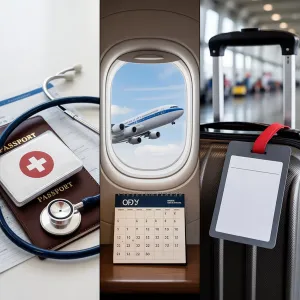
Visa and Entry Requirements Guide for First-Time International Trips
Preparing for international travel can feel overwhelming the first time, especially when visa rules, entry conditions, and document requirements differ from country to country. While many destinations welcome visitors with straightforward procedures, others require advance applications, supporting paperwork, or interviews. Understanding these steps early can help travelers plan with confidence and avoid last minute complications at the border.
This guide outlines the fundamentals of visas, entry rules, research strategies, and what to expect when arriving in a new country.
Background: What Visas Do and How Entry Rules Work
A visa is official permission from a destination country that allows a traveler to enter under specific conditions. Common categories include tourist, business, student, transit, and working holiday visas. Requirements vary widely:
- Some countries offer visa free entry or visa on arrival for travelers from certain nations.
- Others require travelers to apply well in advance, often providing documents such as bank statements, travel plans, or invitation letters.
- Increasingly, many destinations use eVisa systems, where travelers complete applications online and receive approval electronically.
Passports are central to all international travel. Many countries require:
- At least six months of validity beyond the date of entry
- Blank pages for entry and exit stamps
- Proof of onward or return travel
- Evidence of sufficient funds or prepaid accommodation
Travelers may also need to comply with health related requirements. These can include vaccination evidence, medical forms, or certificates issued by approved clinics, depending on the region and current public health guidelines.
Researching Requirements: Building a Reliable Information Base
Visa rules can change without much notice, so using official sources is essential. Travelers may find it helpful to:
- Check embassy or consulate websites for the most up to date entry rules based on their citizenship.
- Use travel advisory platforms, such as the U.S. Department of State or the IATA Travel Centre, to review visa policies, health advisories, and document checklists.
- Understand the purpose of travel and select the correct visa category. Applying under the wrong type, even by mistake, may cause delays or denials.
- Note whether the country uses online eVisa portals or requires paper submissions at embassies or visa centers. Some systems include biometric checks such as fingerprints or photos.
Researching early also helps travelers identify whether additional steps are needed, such as criminal record certificates, employer letters, or proof of student enrollment.
Application and Entry Tips: Staying Organized
Because visa processing times can vary, starting early is often helpful, especially during busy holiday seasons. Many travelers aim to prepare by:
- Gathering supporting documents, including passport photos, travel itineraries, booking confirmations, and financial statements where required.
- Reviewing entry rules such as customs declarations, import limits, and forms related to health or safety.
- Keeping digital and paper copies of key documents, stored separately, in case originals are misplaced.
- Checking the validity and conditions of any visa issued, including number of entries allowed and length of stay.
Proper preparation can reduce surprises at the border, where immigration officials may ask routine questions about the purpose of travel, accommodations, or return plans.
On Arrival and Border Procedures
Arrival procedures vary by airport and country, but several steps are common:
- Immigration officers typically check passports, visas where required, and sometimes supporting documents.
- Travelers should ensure they receive a passport stamp or entry receipt, as these can be needed later for accommodation registration, local permits, or future visa applications.
- It is important to follow the authorized length of stay, which may differ from the visa's overall validity period. Overstays, even unintentional ones, can lead to fines or restrictions on future travel.
- Some countries require travelers to register with local authorities within a few days of arrival. Hotels may handle this automatically, but private accommodation may require travelers to complete the process themselves.
- Secondary screening is possible, especially for first time visitors, travelers carrying large amounts of cash, or those arriving from regions with stricter security protocols.
Calm communication and clear documentation tend to help these steps run smoothly.
Expert Notes: Avoiding Common Mistakes
Travel advisors often emphasize the value of double checking details before submitting applications. Small errors, such as misspelled names or incorrect travel dates, can delay processing or cause confusion at the border.
Immigration specialists also note that procedures can differ significantly from one country to another, so assumptions based on past trips may not apply. When in doubt, referring back to official government sources usually provides the most reliable guidance.
Summary
For first time international travelers, understanding visa rules and entry requirements is key to a smooth arrival. Building a reliable information base, preparing applications carefully, and organizing documents can reduce uncertainty during border checks. While each destination has its own rules, a structured approach helps travelers navigate these steps more confidently and enjoy their trip abroad with fewer surprises.
Reviewed by InfoStreamHub Editorial Team - November 2025