TPMS Basics For Tire Pressure Sensors Alerts And Maintenance
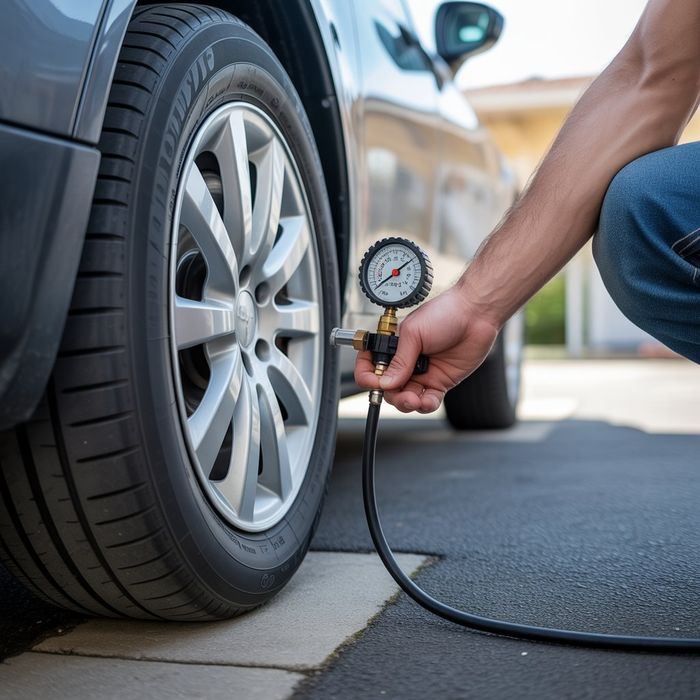
Tire Pressure Monitoring Systems, or TPMS, quietly watch tire pressure while you drive and flag when something falls outside the expected range. Instead of relying only on occasional gauge checks or visual inspection, drivers receive a dashboard warning when pressure drops enough to affect safety, fuel use, or tire life. This monitoring now appears across many types of vehicles and supports both everyday driving and longer trips.
1. What TPMS Is Trying To Protect
TPMS exists because tire pressure influences several aspects of driving at once. Underinflated tires can:
- Reduce steering precision and cornering grip
- Increase stopping distances on wet or dry roads
- Cause the tire to flex more, generating extra heat and wear
- Raise fuel consumption because rolling resistance is higher
By warning when pressure slips below a set threshold, TPMS aims to give drivers time to respond before these effects become more serious. The system does not replace regular maintenance, but it can act as an extra layer of awareness in between scheduled checks.
2. Two Main Approaches: Direct and Indirect
Different vehicle manufacturers rely on two broad approaches to monitor pressure.
Direct TPMS
- Uses small battery powered sensors mounted on or near the valve stem inside each wheel
- Measures pressure directly and sends readings wirelessly to the vehicle computer
- Often provides per tire numbers on a dashboard or infotainment screen in newer models
Direct systems are generally more precise because they work with actual pressure readings rather than estimates. Some versions also report tire temperature, which can be useful on long highway drives or in very hot climates.
Indirect TPMS
- Uses existing anti lock braking system (ABS) wheel speed sensors
- Looks for changes in wheel rotation that suggest one tire has a different rolling radius due to lower pressure
- Does not measure pressure directly and usually cannot display exact numbers
Indirect systems rely on patterns and comparison, so they may need recalibration after tire changes or rotations. They can still provide a useful warning but may be slower to detect subtle changes than direct sensors.
3. Understanding the Warning Light
Most vehicles use a standardized dashboard symbol shaped like a tire cross section with an exclamation mark in the middle. When this light appears, it indicates that at least one tire may be underinflated compared with the reference level set by the manufacturer.
Several common situations trigger the light:
- A gradual leak from a small puncture or a slow valve issue
- A larger pressure loss from hitting a pothole or curb
- Seasonal temperature drops, which reduce pressure even if the tire is otherwise sound
Newer vehicles with direct TPMS may show which tire is low and by how much. Older systems may only display the warning symbol, leaving it to the driver to check all tires with a gauge. In either case, the light is best treated as an invitation to verify pressure rather than a signal to ignore.
4. Everyday Use: What Drivers Can Do
TPMS is most effective when combined with a few simple habits.
Confirm with a gauge
Even when the system provides per tire numbers, checking with a handheld pressure gauge can:
- Confirm that the reading matches manufacturer recommendations listed on the door sticker or in the manual
- Help identify whether a specific tire is losing pressure over time
Respond early
If the light appears:
- Find a safe place to stop and visually inspect all tires
- Use a gauge to measure pressure in each tire when they have cooled, if possible
- Adjust pressure according to the recommended values rather than guessing
For slow losses linked to temperature changes, topping up to the recommended level may be enough. For rapid losses or visible damage, many drivers choose to visit a tire shop promptly.
Combine TPMS with regular checks
TPMS does not monitor tread depth, sidewall damage, or uneven wear. Periodic visual inspections and scheduled tire rotations still matter, even when no warning light is on.
5. Maintenance, Swaps, and Sensor Life
TPMS components also benefit from attention during regular service.
Sensor batteries and replacement
- Direct TPMS sensors typically use sealed batteries that last several years
- When batteries weaken, sensors may stop sending reliable data, causing persistent warnings
- Tire shops and dealerships now commonly use diagnostic tools to read sensor status and advise when replacement is needed
Replacing sensors usually happens during tire changes, since the wheel must be dismounted. Planning sensor replacement alongside new tires can reduce extra labor.
Seasonal tire changes
Drivers who switch between winter and summer tires often have two sets of wheels. Options include:
- Installing TPMS sensors in each wheel set so the vehicle can read pressure year round
- Having a shop reprogram or relearn sensor IDs when wheel sets are swapped
Because procedures vary by brand and model, the owner manual or service advisor can clarify how the specific system handles new wheels and sensors.
System relearn and resets
After tire rotations, sensor replacements, or system service, some vehicles require a relearn process so each sensor is linked to the correct wheel position. Skipping this step can lead to misleading alerts, such as a warning for the wrong corner of the car.
6. Expert Perspective on TPMS Alerts
Automotive technicians often describe TPMS as an early warning tool rather than an emergency brake. Their general observations include:
- Many alerts result from modest pressure drops that can be resolved by topping up air and checking again later
- Sudden drops or repeated warnings in the same tire may point to punctures, damaged rims, or valve stem problems that deserve professional inspection
- Ignoring recurring TPMS warnings can shorten tire life and increase the chance of poor handling in wet or emergency situations
They also note that understanding how a particular vehicle indicates low pressure, how to perform a manual check, and when to seek help can make drivers feel more confident when the symbol appears.
Summary
Tire Pressure Monitoring Systems add a layer of safety by tracking tire pressure through either direct sensors or indirect rotation based methods. They cannot replace manual checks, but they can signal when pressure has slipped far enough to affect handling, tire wear, or efficiency. Trends such as clearer per tire displays, longer lasting sensors, and app based alerts reflect a wider shift toward digital monitoring in everyday driving. With periodic checks, basic system maintenance, and prompt responses to warnings, drivers can use TPMS as a practical partner in keeping their tires in better condition.
Reviewed by InfoStreamHub Editorial Team - December 2025