Understanding Price Matching Policies in Modern Retail
Price matching policies are often presented as a simple promise: if a shopper finds the same item cheaper elsewhere, the store may match that price. In reality, the rules behind that promise can be quite detailed. Modern policies are shaped by competition from online marketplaces, regional regulations, and internal cost controls, so it can help to understand how these guarantees are structured, what typically counts as valid proof, and which offers are usually excluded.
This overview outlines common elements of price matching in large retail chains, how digital tools have changed verification, and what people may want to check before relying on a guarantee at the checkout.
Background: Why Retailers Offer Price Matching
Many retailers use price matching as a way to signal that customers do not need to shop around endlessly to find a fair deal. Big box stores, supermarkets, consumer electronics chains, and general merchandise retailers may all use similar language about “never being beaten on price” or “matching major competitors”.
In practice, most policies are designed with limits so that retailers can control risk:
- They often apply only to a defined list of named competitors or to stores that are considered similar in size and scope.
- They may apply only in the same country or region, reflecting differences in taxes, regulations, or logistics.
- They typically require that the product be identical in brand, model, and core features.
Retailers that resemble Walmart, Target, or large supermarket chains may narrow comparisons to major national websites and well known brick and mortar rivals. Smaller local stores, auction listings, private sellers, or peer to peer marketplaces are often excluded. This approach allows retailers to respond to visible competitive pressure without tying their pricing to every possible offer in the market.
How Price Matching Usually Works
Although every retailer writes its own policy, many guarantees share a similar structure. Understanding these building blocks can make it easier to interpret individual rules.
1. Eligible Items
To qualify for matching, an item usually must be:
- The same brand and model number
- The same size, color, and configuration, especially in electronics and appliances
- In stock and available for immediate purchase from the competitor
If any of these details differ, the retailer may treat the product as a different item and decline the match. For example, an electronics chain similar to Best Buy or Currys might only match a specific model with an identical storage capacity and color, while treating a bundle that includes extra accessories as a separate offer.
2. Eligible Competitors
Retailers often specify who they are willing to match. Common patterns include:
- National chains operating both online and in store
- Selected regional retailers in the same country
- The retailer's own website or app pricing, when there is a difference from in store prices
Some retailers that operate in multiple channels, similar to Amazon, Walmart, or Carrefour, may emphasize matching their own online prices in store, which functions more as a cross channel consistency policy than a competitor comparison. International prices, foreign currency offers, and third party marketplace listings are often out of scope.
3. Acceptable Proof
Proof is central to how price matching works day to day. Stores may require one or more of the following:
- A current printed advertisement from the competitor
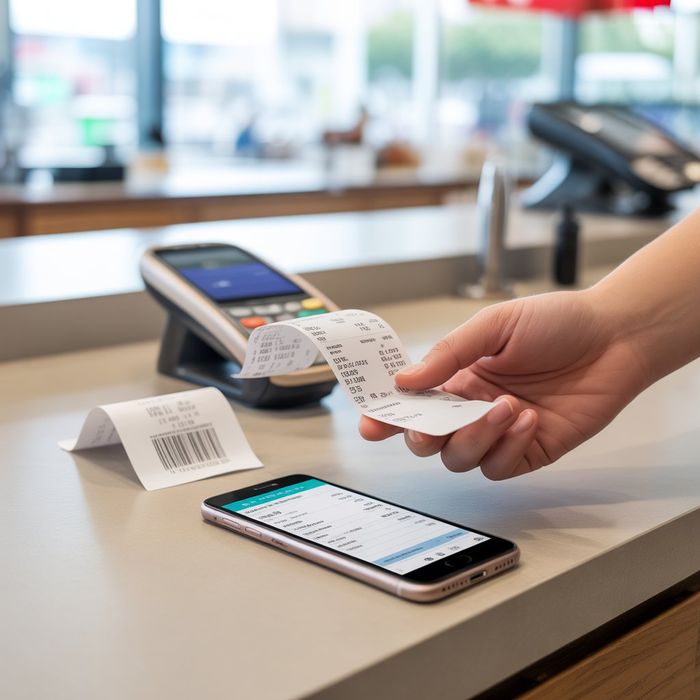
- A live product page on a smartphone or in store device
- A screenshot or app screen that clearly shows the price, date, and seller
Many retailers will not accept handwritten notes, edited images, or unverifiable verbal claims. Some policies require staff to confirm the price directly on the competitor's website before proceeding. This can help reduce errors, but it may also depend on network quality and staff familiarity with the tools.
Digital Trends: Apps, Online Catalogues, and Real Time Checks
As shoppers increasingly compare prices on their phones in the aisle, price matching has moved into a more digital environment. Several trends have emerged:
- App based verification: Some chains encourage customers to use the retailer's own app or a partner app to scan barcodes and compare prices in real time.
- Online only matches: Certain policies apply only to online orders and exclude in store transactions, reflecting the different cost structures between channels.
- Self comparison within the same retailer: Many stores now commit to honoring their own online price for in store purchases, which can be helpful when website promotions update faster than shelf labels.
While these tools can speed up checks, they may also create confusion if customers are not sure which channel rules apply. A price displayed on a mobile app might be valid only for delivery or pickup orders, not for immediate in store purchases, unless the policy explicitly states otherwise.
Time Windows and Post Purchase Adjustments
Another key element in many price matching policies is timing. Retailers often distinguish between:
- At purchase matching: The customer presents proof of a lower price before paying, and the store adjusts the price immediately.
- Post purchase guarantees: The retailer offers a limited period after purchase during which a shopper can claim a refund of the difference if the price drops or a qualifying competitor advertises a lower price.
Post purchase windows can range from a few days to several weeks, depending on the retailer and the type of product. Department stores similar to Macy's or John Lewis may offer a defined period for price adjustments on higher value items, while excluding clearance events, limited time promotions, or special coupon based discounts.
These time limits are usually very specific, and claims outside the stated window are typically not honored, even if the new price is much lower.
Common Exclusions and Limitations
Price matching policies are often detailed about what they do not cover. Examples of typical exclusions include:
- Flash sales, lightning deals, and short term promotional events
- Coupon codes, voucher codes, and loyalty member only pricing
- Marketplace offers where third party sellers set their own prices
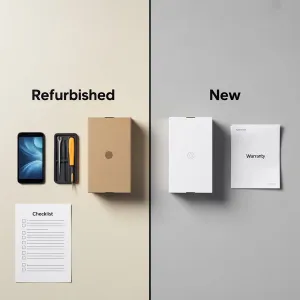
- Open box, used, refurbished, or damaged goods when the retailer sells the item only as new
- Clearance events, doorbusters, and seasonal sale campaigns such as Black Friday or back to school promotions
Supermarkets and warehouse clubs similar to Kroger or Costco may also exclude:
- Private label products when there is no clear equivalent elsewhere
- Bulk packs or multi buy offers that do not match the pack size sold by the competitor
These exclusions help retailers avoid matching the most aggressive discounts or highly promotional offers, while still maintaining a visible commitment to competitive pricing for standard products.
Practical Tips for Shoppers
People who want to make use of a price matching policy may find it useful to:
- Read the current policy carefully on the retailer's website or in store materials, as terms can change over time.
- Check item details closely such as model numbers, storage capacity, and color to confirm that the competitor's product is truly identical.
- Capture clear proof by keeping the advertisement, web page, or app screen open, including the price, seller name, and any relevant dates.
- Ask about timing in advance, especially for large purchases, to understand whether post purchase adjustments are possible.
- Confirm whether special promotions are eligible, since many of the most eye catching discounts are excluded from matching.
Because policies can vary by country or region, it is usually best to treat examples as illustrations rather than fixed rules. Local consumer protection laws, advertising standards, and competition regulations may also shape what retailers are allowed or required to offer.
Expert Notes: Policy Design and Customer Experience
Retail analysts often describe price matching as a strategic tool rather than a simple customer perk. From their perspective:
- The guarantee itself can reassure price sensitive shoppers, even if relatively few people actually file claims.
- The detailed conditions help retailers manage costs, so that matching does not undermine broader pricing strategies.
- Clear communication of the rules is as important as the rules themselves.
Experts also observe that staff training can make or break the experience. If employees at a chain similar to Target, MediaMarkt, or Decathlon interpret the policy differently, customers may encounter inconsistent decisions, which can reduce trust. Stores that invest in concise signage, step by step staff guides, and standardized verification tools often provide smoother interactions.
At the same time, analysts note that no policy can anticipate every scenario. Edge cases involving bundles, limited editions, regional variants, or rapidly changing online prices will continue to generate questions that require judgment at the store level.
Summary
Price matching policies sit at the intersection of marketing message, pricing strategy, and day to day customer service. Most guarantees rest on three main pillars:
- Clear definitions of eligible items and competitors
- Specific requirements for proof and timing
- Detailed lists of exclusions that limit which offers qualify
Examples from electronics, grocery, and general merchandise chains, including retailers similar to Walmart, Best Buy, and major supermarket brands, show that while the language may differ, the underlying logic is often similar. As shoppers continue to compare prices in real time across websites, apps, and physical stores, retailers are likely to keep adjusting their policies and tools.
For customers, the most practical approach is usually to view price matching as a structured option rather than an open ended promise, and to check the current terms of any policy before relying on it for a significant purchase.
Reviewed by InfoStreamHub Editorial Team - December 2025