Used-Car Buying Guide: Inspection, Paperwork, and Test Drive
Buying a used car often involves balancing budget, condition, and risk. Depreciation means that many vehicles lose a significant portion of their new car price in the first few years, so pre-owned models can offer a lot of value. At the same time, every used car has a unique history. Some have been carefully maintained, while others may hide accident damage, incomplete paperwork, or unresolved mechanical issues. A structured approach to inspection, test driving, and documentation can help people make more informed decisions, without feeling pressured to rush.
This guide outlines key concepts in used car purchasing, along with practical checklists that buyers can adapt to local laws and market practices in their own country or region.
Background: Where Used Cars Come From
Used vehicles reach the market through several common routes:
- Private sellers who are replacing or no longer need their car
- Independent dealers and small lots
- Franchise dealerships that accept trade ins
- Certified pre owned (CPO) programs run by manufacturers or authorized dealers
Each route has its own balance of price, support, and risk:
- Private sales may offer lower asking prices, but buyers usually receive fewer legal protections and less formal documentation.
- Independent dealerships can provide variety and some level of warranty or return policy, but standards vary widely.
- Franchise dealers and CPO programs often focus on late model vehicles that have passed predefined inspections and may include extended warranties, usually reflected in the price.
Across all channels, people typically look at four main dimensions: mechanical condition, service history, ownership records, and title or registration status. Skipping any of these checks can increase the chance of unexpected repairs, administrative delays, or legal complications later.
Pre Purchase Research and Shortlisting
Before viewing specific cars, many buyers find it helpful to:
- Decide on a realistic budget, including registration, insurance, and early maintenance.
- Research common issues associated with the models and years they are considering.
- Compare average asking prices in their region to identify offers that seem unusually high or low.
- Check whether replacement parts and servicing are readily available for the chosen model.
Online marketplaces, manufacturer CPO websites, and independent review sources can provide useful starting points. This preparation helps people recognize when a car is fairly priced for its age, mileage, and condition, rather than focusing only on headline numbers.
Inspection Checklist: Body, Interior, and Mechanical Basics
A careful visual inspection can reveal a lot about how a car has been treated. Buyers who feel comfortable may carry out an initial check, and many then follow up with a professional pre purchase inspection from a qualified mechanic.
Exterior and bodywork
People often start by walking around the car and looking for:
- Rust or corrosion, especially around wheel arches, door sills, and underbody areas
- Dents, scratches, or creases that might suggest previous impacts
- Mismatched paint between panels, which can indicate repair work
- Uneven panel gaps, which may hint at past structural damage or poor repairs
- Signs of water damage, such as condensation trapped in headlights or taillights
While minor cosmetic flaws are common on older vehicles, patterns of damage or poor repainting can be clues that more serious repairs have taken place.
Interior and cabin
Inside the car, it can help to check:
- Seat fabric or leather for tears, heavy wear spots, or stains
- Carpet and floor mats for dampness or musty smells that may indicate leaks
- Headliner and door seals for water marks
- Dashboard and controls for cracks, missing buttons, or warning lights that stay on
Wear on pedals, steering wheel, and driver seat should feel consistent with the claimed mileage. Excessively worn controls in a low mileage car may warrant further questions.
Tires, brakes, and suspension
Basic observations can offer insights into how the car has been maintained:
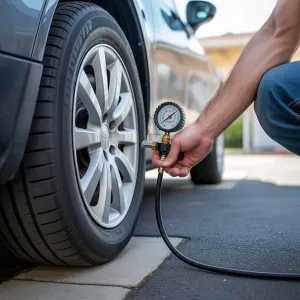
- Tires: Look at tread depth and check for uneven wear, which can point to alignment or suspension issues.
- Brakes: Listen for grinding noises and note any vibration when braking during the test drive.
- Suspension: Observe how the car sits and whether it appears level. Excessive bouncing after pushing down on a corner can suggest worn components.
A flashlight and a clean cloth can be useful for spotting leaks or residue in wheel wells and underbody areas.
Engine bay and undercarriage
Without dismantling anything, simple checks may include:
- Looking for visible fluid leaks around the engine, radiator, and hoses
- Checking that belts and hoses do not appear heavily cracked or frayed
- Noting any strong fuel or burning smells that could indicate a problem
- Checking oil and coolant levels and appearance, if the seller allows it
A professional mechanic is better placed to evaluate complex issues, but basic observations can help identify cars that may need more detailed inspection.
Professional Pre Purchase Inspection
Many buyers choose to pay for a pre purchase inspection by an independent mechanic or workshop that they trust. This type of inspection typically includes:
- A road test by a technician
- A more detailed examination of the engine, transmission, brakes, suspension, and steering
- Checks of diagnostic codes using appropriate tools
- A written report summarizing findings and potential repair costs
Shops in many regions offer this as a standard service. Having written findings can be useful both for decision making and for future reference if questions arise later. If a seller resists a reasonable inspection request, some buyers treat that hesitation as a signal to proceed carefully or consider other options.
Test Drive: How the Car Feels in Real Use
The test drive is often where buyers form their strongest impressions. Rather than a short loop around a nearby block, it can be helpful to include different driving conditions where local rules and traffic allow:
- Low speed city streets to check stop and go behavior and steering effort
- Higher speed roads or highways to listen for wind noise, vibrations, or instability
- Mixed routes that include turns, lane changes, and braking from various speeds
During the drive, people typically watch for:
- Unusual noises such as rattles, clunks, whining, or grinding
- Vibration in the steering wheel or through the seat
- Hesitation or roughness when accelerating or changing gears
- Any warning lights that stay on or appear intermittently
Comfort and visibility also matter in day to day use. Drivers may want to confirm that seat adjustment, mirrors, and controls feel natural for their body size and typical journeys.
The test drive is also a good time to ask practical questions about:
- How the car has been used (commuting, long distance travel, occasional use)
- Any major past repairs or accidents
- Reasons for selling
If responses feel vague or inconsistent with visible condition, some buyers choose to investigate further before proceeding.
Paperwork Essentials: Ownership, History, and Compliance
Vehicle documentation can be just as important as mechanical condition. Exact requirements vary by country or region, but common documents include:
- Title or registration document: Confirms the legal owner and whether the vehicle has a clean status or branding related to salvage, rebuilt, or similar categories.
- Bill of sale or purchase agreement: Records the date, price, vehicle identification number (VIN), and identities of buyer and seller.
- Service records: Show past maintenance, such as oil changes, timing belt replacement, brake work, and other repairs.
- Roadworthiness or inspection certificates: In many regions, periodic technical inspections or emissions tests are required before registration or transfer.
In some markets, buyers can order a vehicle history report from providers such as CARFAX, AutoCheck, or equivalent local services. These reports may include:
- Recorded mileage at different points in time
- Reported accidents or insurance claims
- Records of previous registrations in other regions
- Salvage or total loss branding where applicable
While these reports are not always complete, they can help identify mismatches between what the seller says and what is recorded elsewhere.
Additional checks can include:
- Confirming that the VIN on the paperwork matches the VIN plates on the car
- Asking about any outstanding finance or liens that may need to be cleared before transfer
- Ensuring that all available keys, manuals, and security codes are provided at handover
For dealership purchases, reviewing any stated warranty terms, return policies, or cooling off periods in writing can help manage expectations.
Payment, Safety, and Fraud Awareness
Because vehicle purchases typically involve significant sums, payment method and safety are important considerations. Many buyers prefer to:
- Avoid sending money before seeing the car in person and reviewing documents
- Use traceable and secure payment methods rather than handing over large amounts of cash
- Meet in public, well lit locations, or at official offices such as registration agencies, banks, or notaries where local practice supports this
In some regions, completing the transaction at a registration office or partner location allows paperwork to be processed immediately, which can reduce the risk of misunderstandings about ownership transfer.
Online listings that request advance deposits without inspection, refuse reasonable questions, or pressure for very fast decisions can sometimes indicate a higher risk of fraud. When in doubt, many buyers choose to step back and consider alternative vehicles instead.
Expert Notes: Staying Organized and Objective
Automotive advisors often encourage buyers to treat used car purchases as a project rather than a quick errand. Helpful practices can include:
- Bringing a printed or digital checklist to each viewing
- Taking photos or notes to compare multiple vehicles later
- Allowing time to review documents calmly rather than signing on the spot
Specialists also point out that walking away is a valid outcome. If information is incomplete, the seller is unwilling to support reasonable inspections, or the car simply does not feel right during the test drive, there will usually be other vehicles available.
Because laws and consumer protections vary by jurisdiction, guidance from local authorities, consumer organizations, or legal professionals can also be useful when dealing with complex situations such as disputed ownership, unclear title status, or serious hidden defects.
Summary
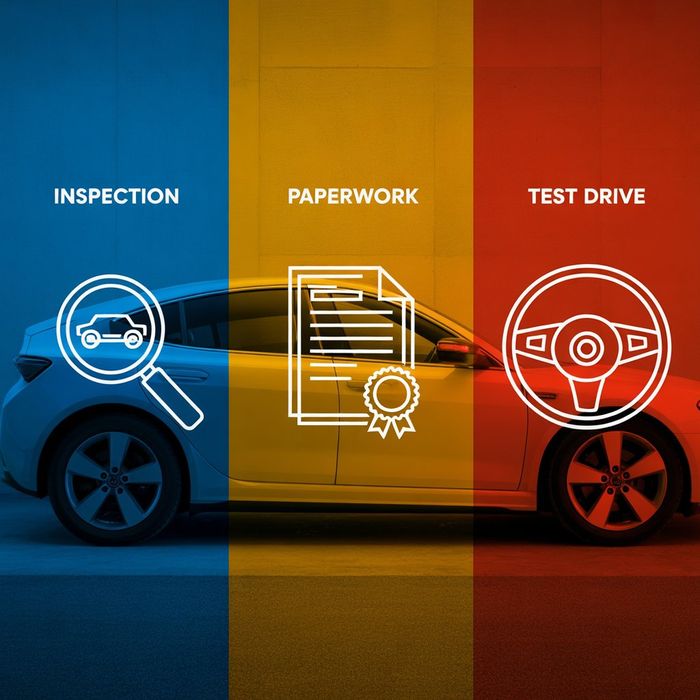
A thoughtful approach to used car buying generally rests on three pillars:
- Inspection of the vehicle's exterior, interior, and basic mechanical systems, ideally supported by a professional pre purchase check
- Test driving under varied conditions to understand how the car behaves and whether it feels suitable for everyday use
- Documentation and payment that clearly confirm ownership, history, and compliance with local requirements, using secure and traceable methods
By combining these elements and allowing enough time to evaluate options, buyers can reduce the likelihood of surprises after purchase. While no process can remove every risk, a structured plan helps people compare vehicles more fairly, weigh trade offs, and choose a car that better matches their needs and comfort level.
Reviewed by InfoStreamHub Editorial Team - November 2025