Sunscreen Filters Explained: UVA/UVB, SPF, and Daily Wear
Daily sun care rests on two ideas: ultraviolet A (UVA) and ultraviolet B (UVB) affect skin differently, and filters are combined to cover both. UVB is the main driver of sunburn and is the basis for the SPF number, while UVA penetrates more deeply and contributes to photoaging and uneven tone. “Broad spectrum” indicates meaningful coverage across both bands. Filters generally fall into two families: inorganic (often called mineral) such as zinc oxide and titanium dioxide, and organic (often called chemical) such as avobenzone, octisalate, octocrylene, homosalate, and regionally available options like Tinosorb S/M, Uvinul A Plus, Uvinul T 150, and Mexoryl SX/XL.
How protection works and is measured (background)
SPF—Sun Protection Factor—reflects protection against UVB in controlled testing at a standardized application amount. Higher SPF tends to provide more margin for real-world underapplication, but it does not eliminate the need to reapply in situations with sweat, water, or friction. UVA protection is signaled differently by region: PA grades (e.g., PA++++), UVA-PF/PPD numbers, or “broad spectrum” language. Common filters play different roles: avobenzone focuses on UVA; octocrylene and octisalate support UVB; zinc oxide covers broadly across UVA/UVB.
Formulation details shape user experience. Mineral formulas can leave a visible cast on deeper skin tones unless tinted; organic-heavy blends often feel lighter and clearer but may vary in eye comfort or scent. Stabilizers and encapsulation help maintain filter performance—especially for UVA filters like avobenzone. Neutral, widely available lines such as La Roche-Posay (Anthelios), Eucerin, Bioderma, and Neutrogena illustrate how brands combine filters to achieve broad-spectrum claims at different price points.
What’s changing in the market (trends)
A notable trend is toward sheer, cosmetically elegant textures that encourage daily wear. Lightweight gel fluids, milky emulsions, and silicone-based lotions aim to reduce tack or shine for office and classroom settings. Tinted mineral options—seen in ranges from EltaMD, Isdin, or Australian Gold—incorporate iron oxides to help with visible light, which may matter for concerns like melasma or post-inflammatory hyperpigmentation.
Filter availability is diversifying across regions. Newer molecules such as Uvinul A Plus and Uvinul T 150 are common in EU/Asian markets, while certain Mexoryl variants appear in select North American products. Users who prioritize high UVA protection sometimes look for PA++++ or products that disclose elevated UVA-PF alongside SPF, especially for long drives or indoor days near windows. Sensitive-skin lines from Vanicream or Avene emphasize fragrance-free, minimalist bases, which some users prefer around the eyes.
Convenience formats are broadening adherence strategies. Sticks (Shiseido, Blue Lizard) are favored for the eye area and quick touch-ups. Mineral powders from Colorescience or ISDIN allow mid-day layers over makeup, though they are usually positioned as top-ups rather than primary protection. For sports or beach days, water-resistant body formulas from Coppertone Sport or Banana Boat offer durability, while pump or spray formats can speed limb coverage when rubbed in thoroughly.
Expert notes for selection and daily use
Dermatology-aligned guidance often prioritizes the product a person will apply generously and reapply when practical. Matching texture to skin type may help: oil-control gels or fluid mattes for shiny T-zones; richer creams for dry or mature skin; simple, fragrance-free bases for sensitive or rosacea-prone users. For deeper skin tones seeking minimal cast, tinted mineral fluids or modern hybrid formulas can improve blendability while maintaining protection.
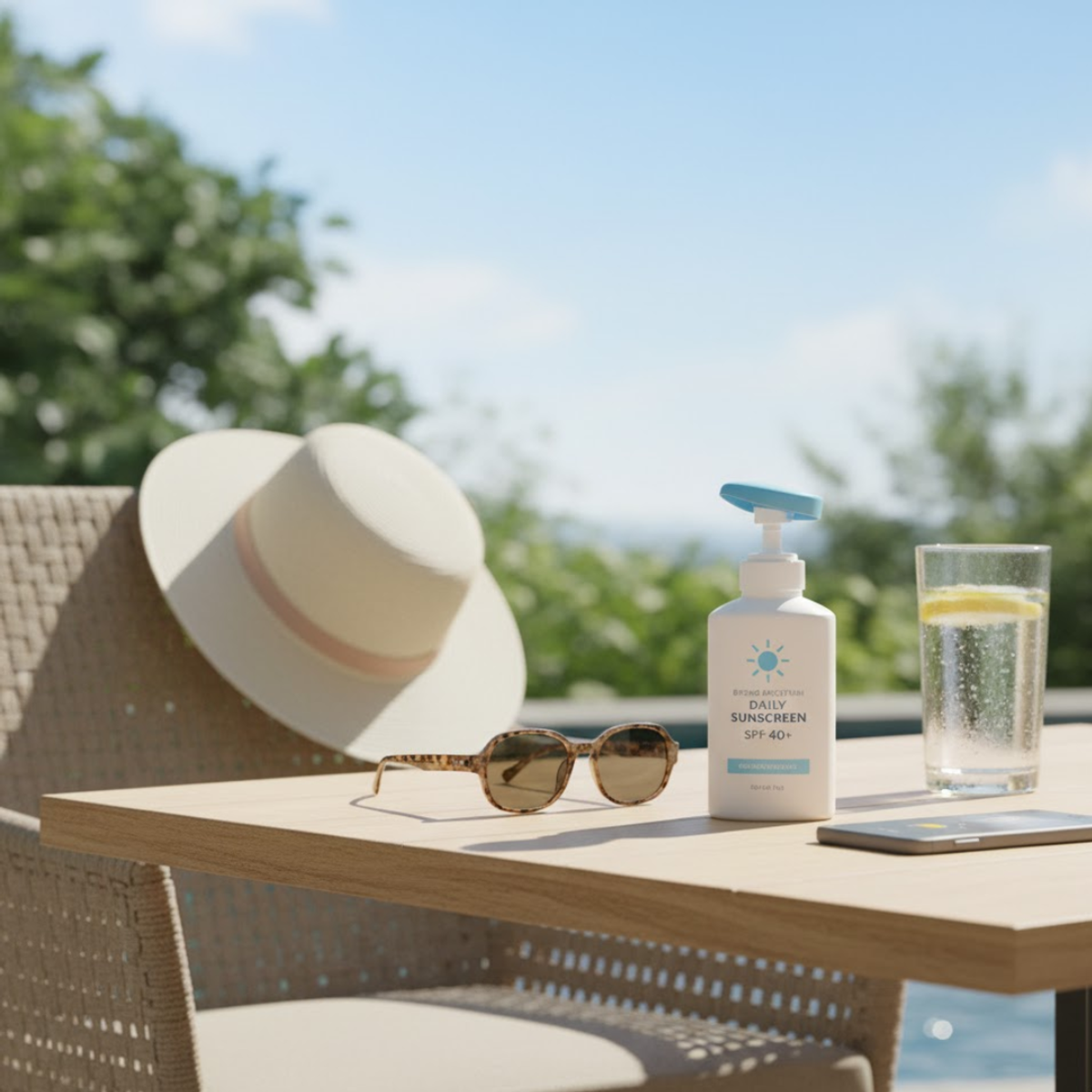
Context matters. Indoor office days benefit from solid UVA coverage because UVA penetrates window glass; look for “broad spectrum” with high UVA signals (e.g., PA++++ or a stated UVA-PF) in addition to SPF. Outdoor and high-sweat settings call for labeled water resistance (often 40 or 80 minutes) and body-friendly formats. Many households keep two products: a cosmetically elegant face formula (e.g., La Roche-Posay Anthelios Fluid, Eucerin Oil Control) and a robust body option for exercise or travel (e.g., Neutrogena Beach Defense). Accessories like UPF clothing, wide-brim hats, and sunglasses complement sunscreen without replacing it.
Summary
Understanding filters turns crowded labels into a straightforward plan. SPF addresses UVB burn risk, while PA, UVA-PF/PPD, and broad-spectrum cues speak to UVA; both matter for everyday wear. Textures—from sheer fluids to tinted minerals—and convenient formats such as sticks or powders can make reapplication more realistic. Neutral, widely available brands across price points offer workable options, allowing users to match protection to skin type, setting, and comfort.
By InfoStreamHub Editorial Team — November 2025